Coffee Tree Pest and Disease Management in Yemen
Country : YemenRegion : Sanaa, Ibb, DhamarYear : 2021Project Theme : Profitable Coffee CultivationBeneficiaries : 1500 Smallholder Coffee FarmersImpact : Capacity BuildingPartners : Lavazza Foundation, RD2 VisionAs part of the Prosperity Through Coffee Programme, pests and diseases were identified as a major constraint affecting Yemeni coffee producers and contributing to substantial harvest losses. Among the main problems reported by producers was a destructive insect referred to locally as Khariz, which was associated with estimated losses of up to 60%. Although the damage was widely recognized by farming communities, producers were unable to identify the exact pest responsible, which limited their ability to respond effectively.
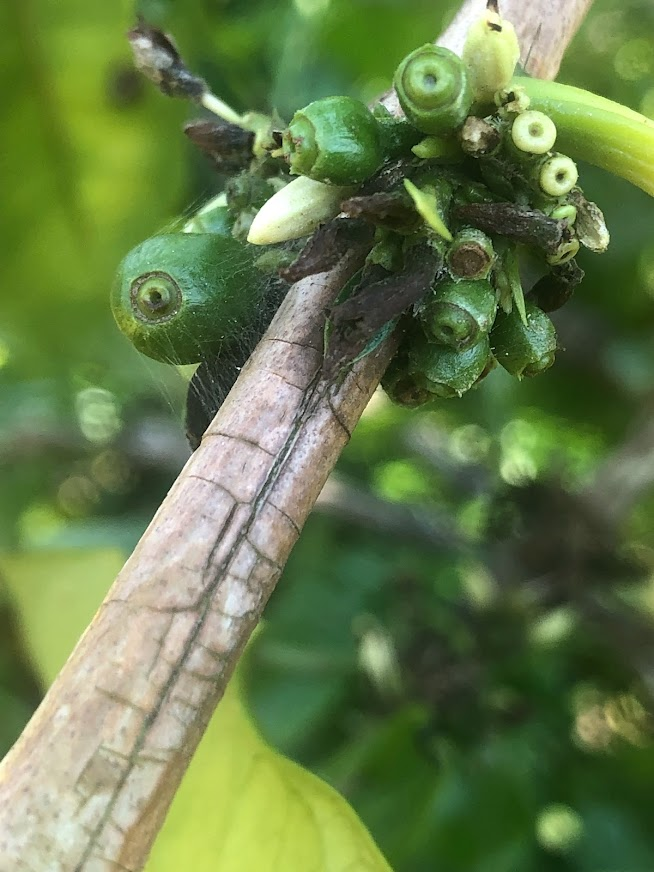
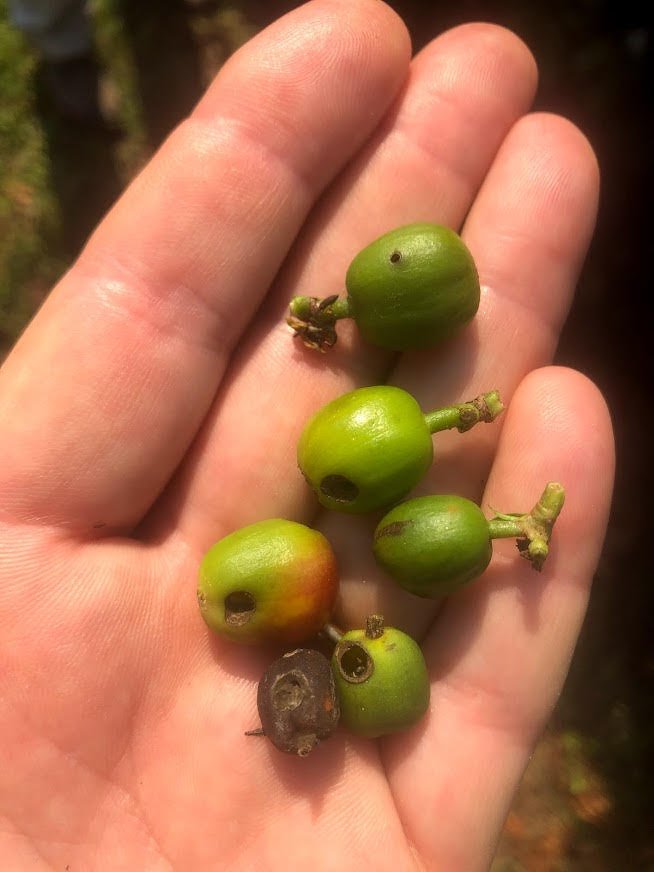
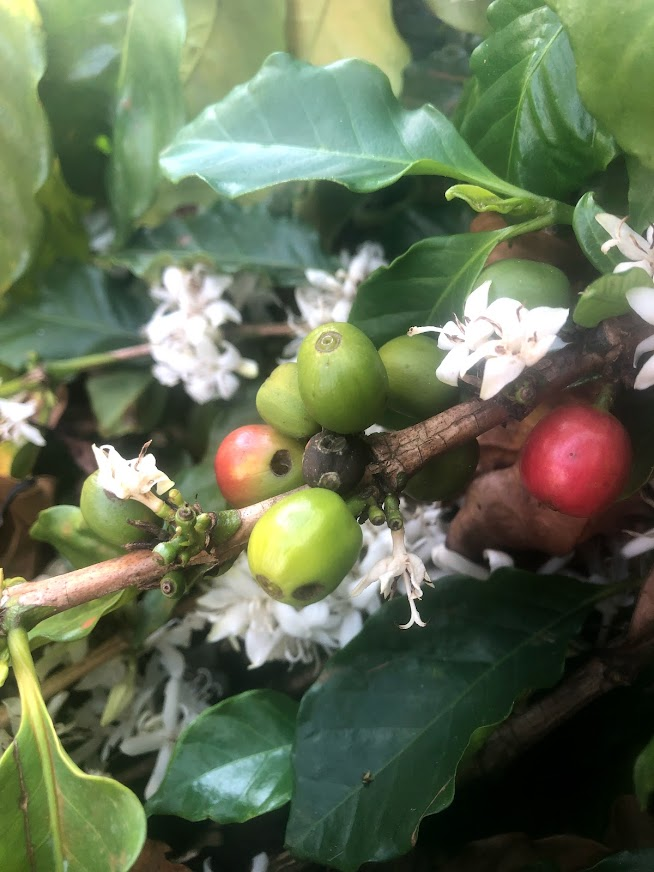
Addressing this challenge required a process that combined technical analysis, scientific examination, and direct engagement with coffee-growing communities. During the project, several possible explanations for the damage were explored, including Coffee Berry Borer (CBB) and Coffee Berry Disease (CBD). Through laboratory analyses, focus groups, and field visits, it was ultimately confirmed that the Coffee Berry Moth (CBM) was responsible for the long-standing damage affecting coffee farms. This confirmation was significant because it helped clarify a problem that had remained misdiagnosed for decades
The identification of CBM represented an important step not only in understanding the source of the damage, but also in building a stronger foundation for future management. The project contributed to generating practical knowledge around the pest, particularly in relation to its identification and the need for more effective prevention and response measures. Because the moth had gone unchecked for many years due to limited knowledge of its life cycle and appropriate control approaches, confirming its role created an opportunity to replace uncertainty with clearer technical understanding
Once CBM was identified as the responsible pest, Qima Foundation initiated efforts to develop protocols for CBM identification, treatment, and management. This process involved both staff and lead farmers, creating a link between technical knowledge and local agricultural practice. In this way, the work was not limited to diagnosis alone, but also focused on translating findings into usable strategies that could support producers in protecting their coffee crops.
During focus groups and training discussions, another issue commonly described by producers as Khariz was also reported. After further examination, it was determined that this problem was not caused by pests or diseases, but rather by an agronomic phenomenon known as die back. This condition was linked to nutrient deficiencies associated with Yemen’s alkaline soil. Identifying this distinction was important, as it helped separate biological causes of crop damage from soil-related agronomic constraints, allowing for a more accurate understanding of the challenges faced by producers.
Yemen is the only coffee-producing country with alkaline soil, and this condition has contributed to a lack of available protocols and research on the issue. The elevated soil pH limits the plant’s ability to absorb essential nutrients and stunts its growth. By recognizing this as a central factor behind die back, the project contributed to a more informed understanding of a problem that had previously been misunderstood in producer communities.
In response, Qima Foundation introduced a soil nutrition program to address this challenge. Preliminary results were encouraging, with initial test cases reporting a 30% increase in yield following the intervention. These early outcomes suggest the importance of combining field based observation, technical analysis, and locally relevant agronomic support in order to improve coffee production under Yemen’s unique growing conditions.
Through this project, Yemeni coffee producers gained valuable insights and practical strategies to address both pest-related and agronomic problems affecting their farms. The work helped generate new knowledge not only at a technical and scientific level, but also within farming communities, where a better understanding of crop health can support improved decision making, stronger farm management, and greater productivity. In this sense, the project contributed to strengthening the capacity of producers to safeguard their coffee crops and improve their livelihoods in the affected regions.